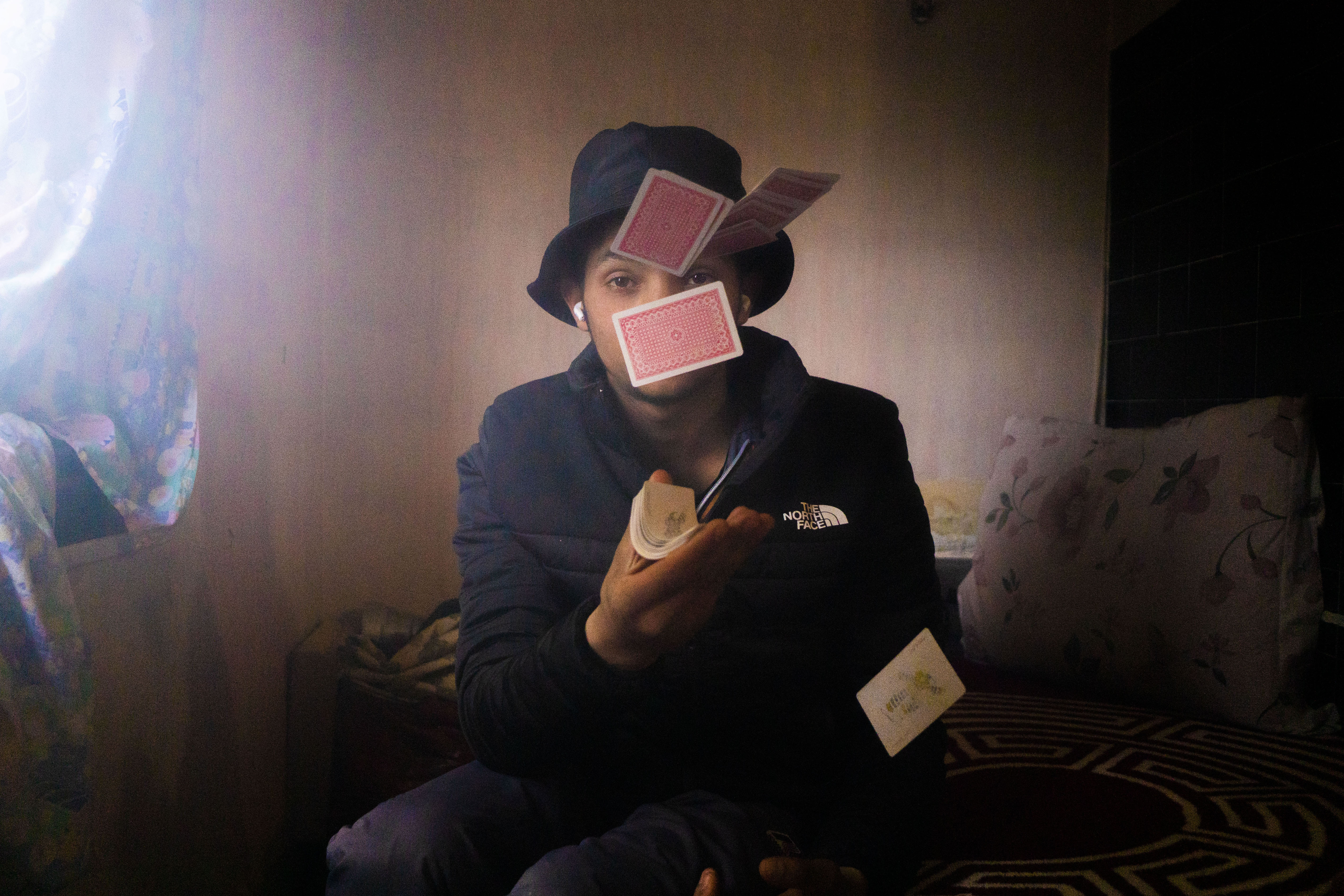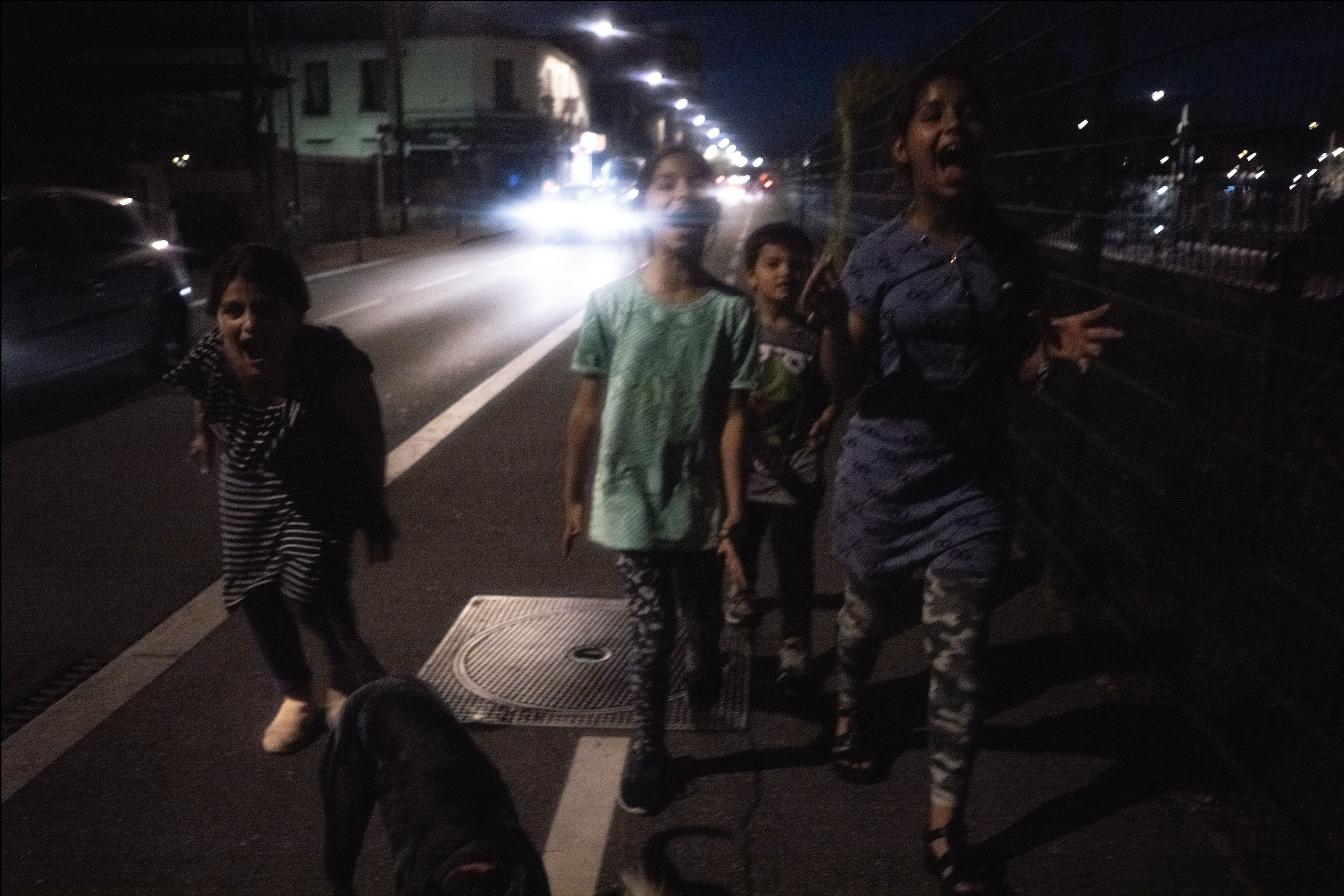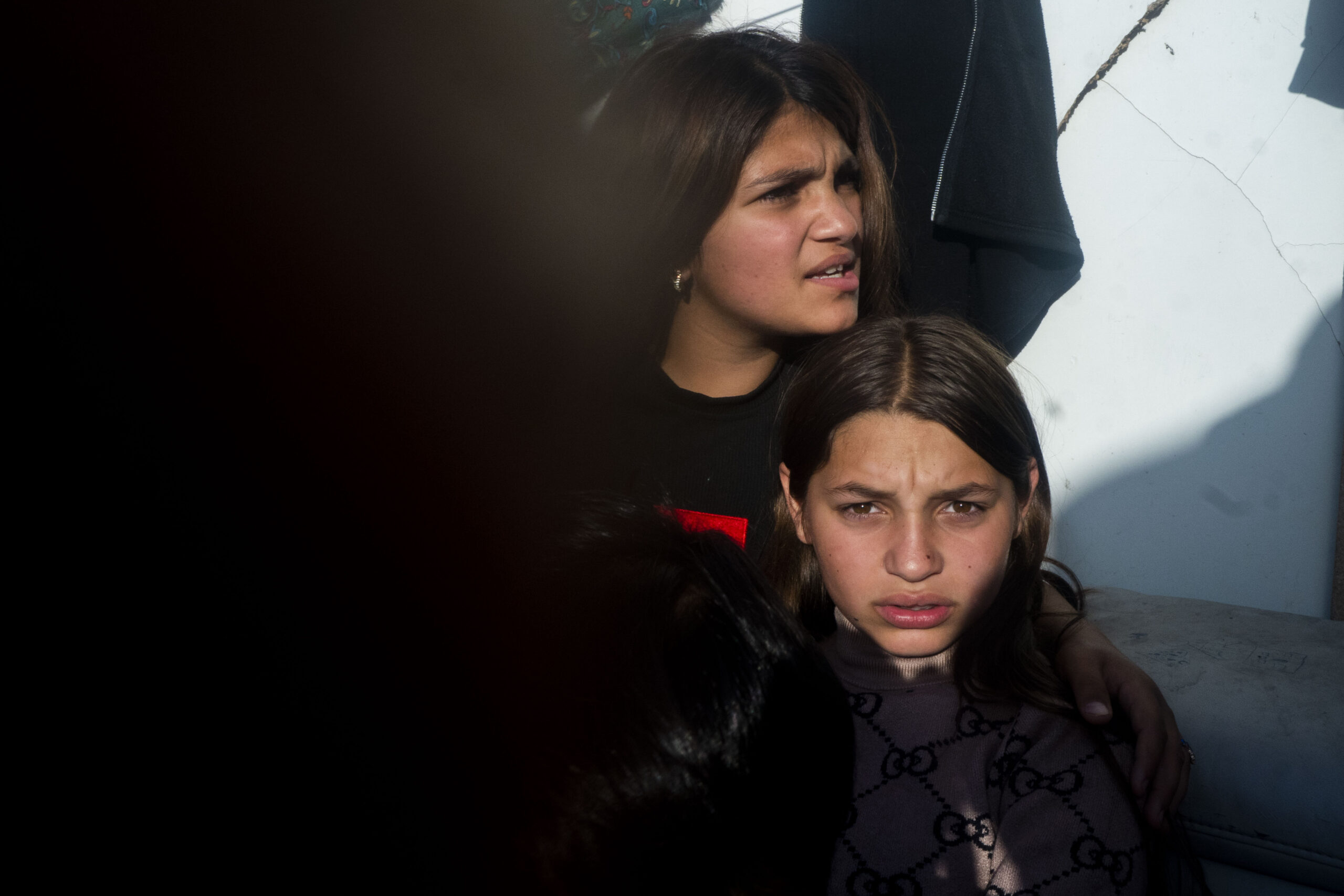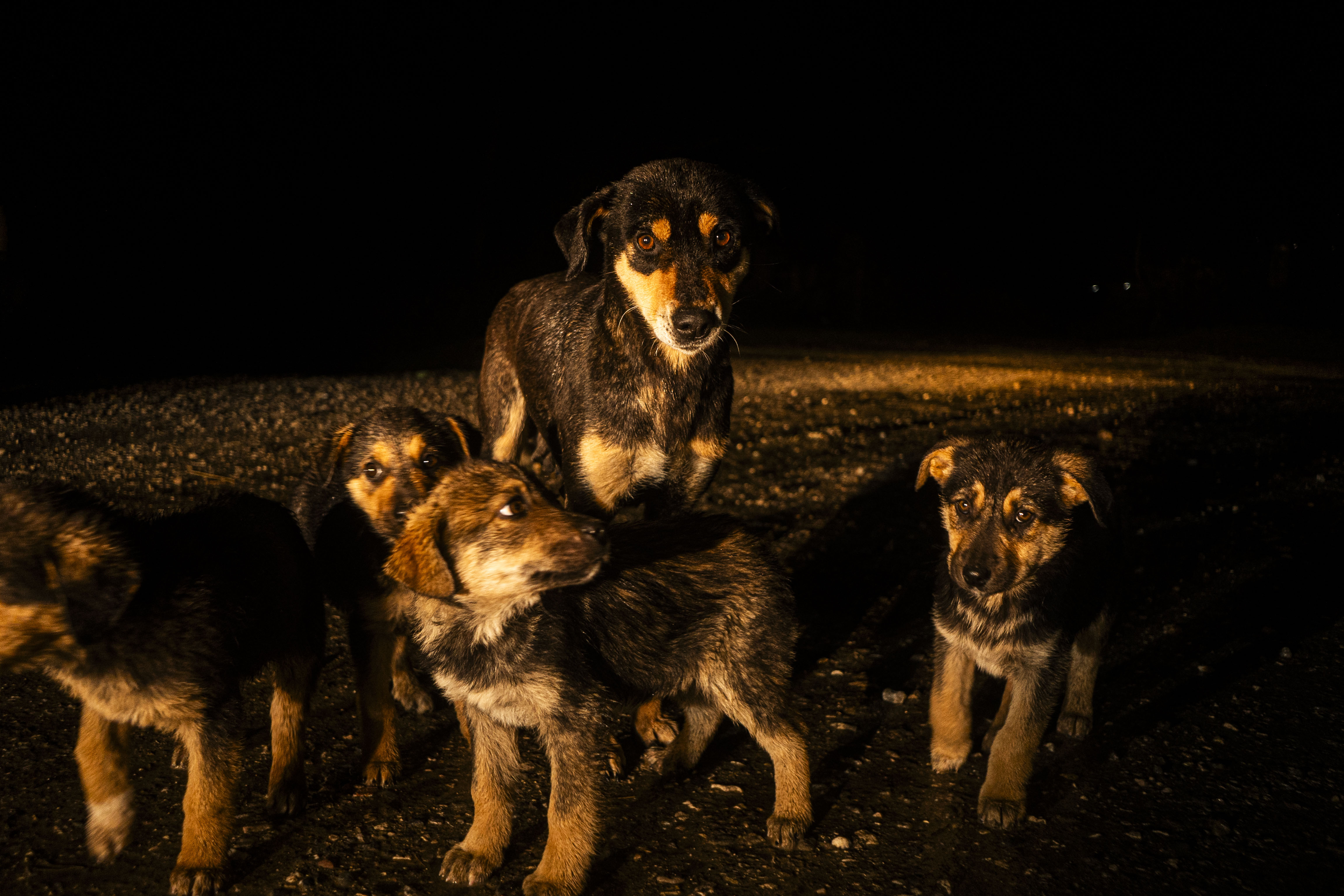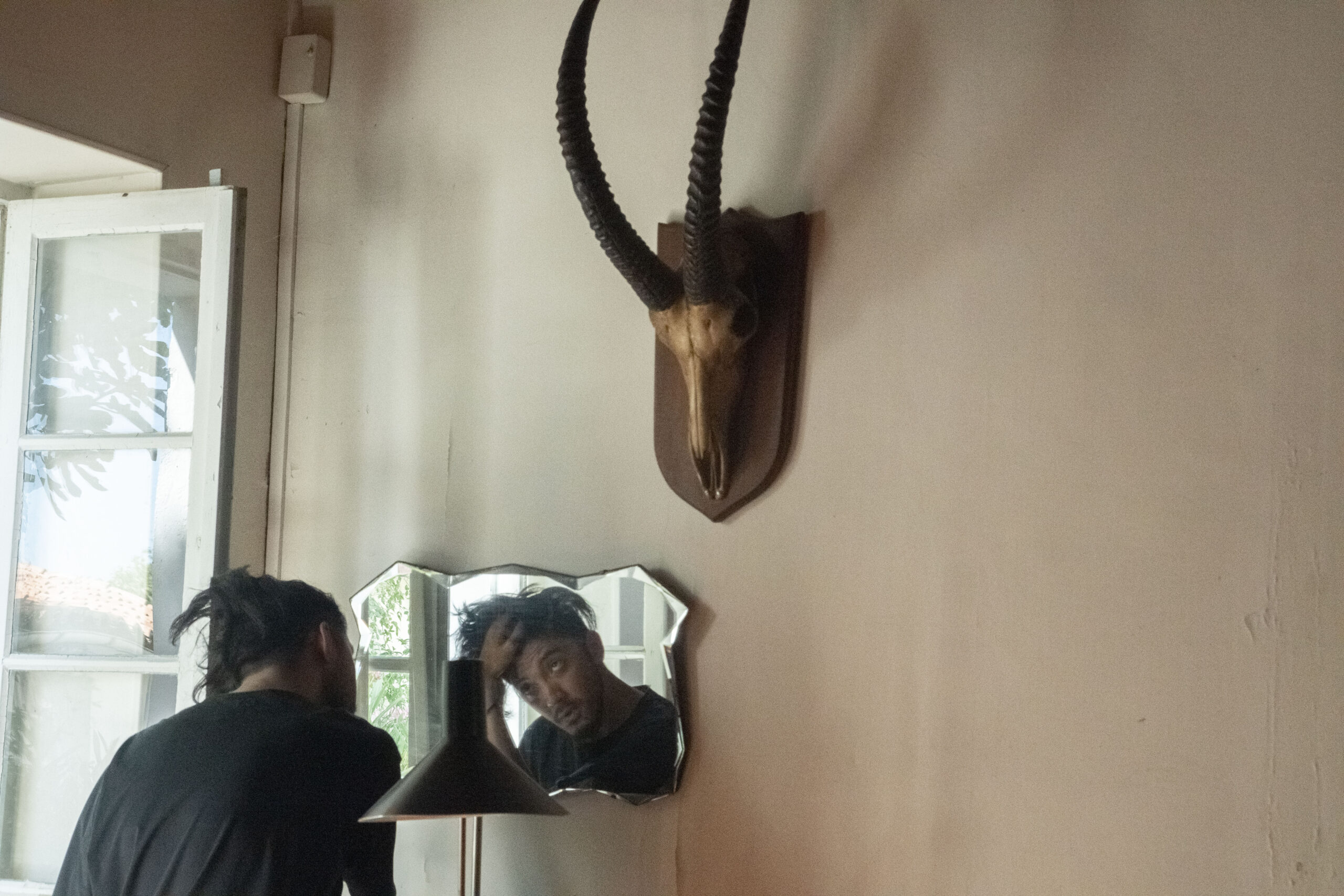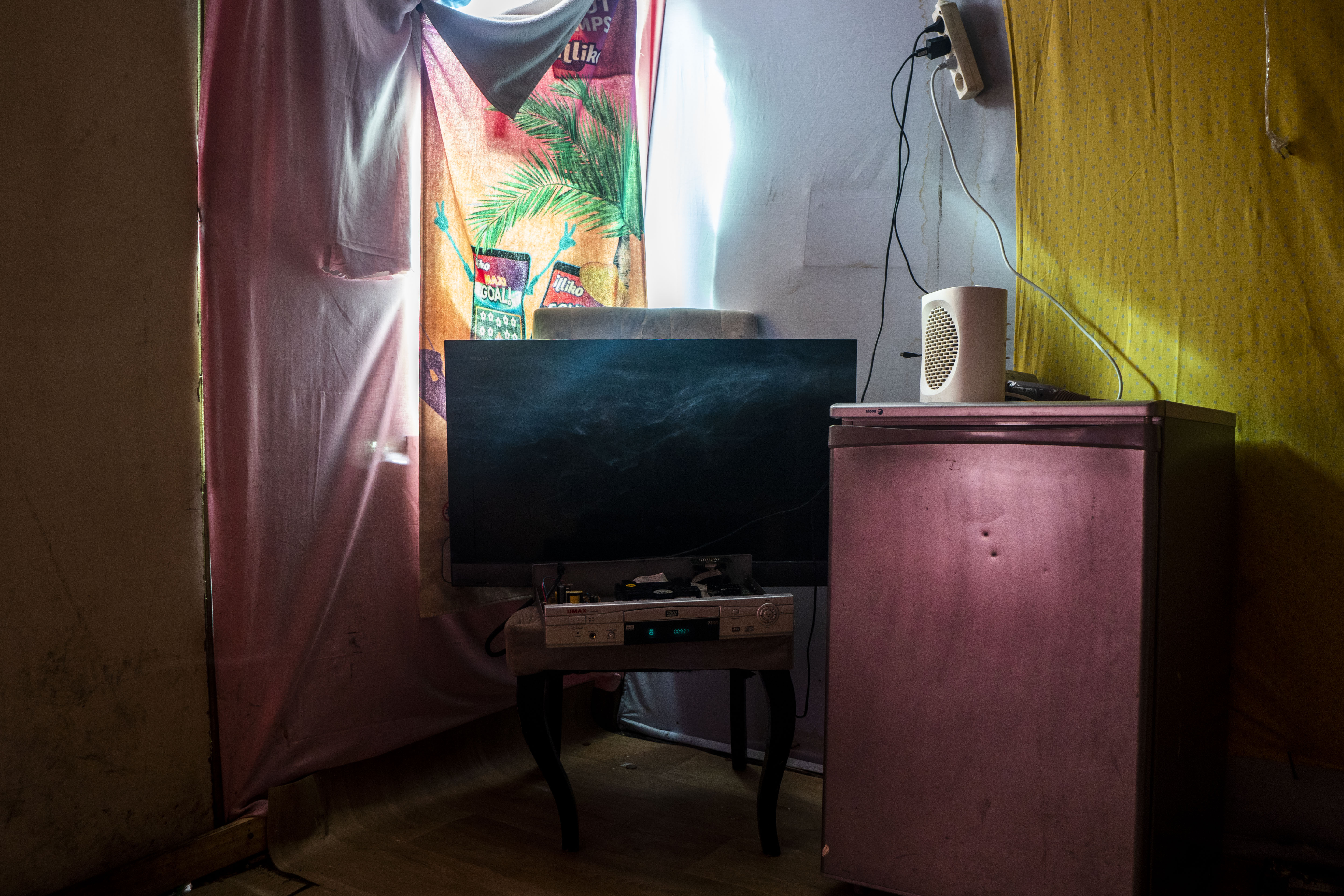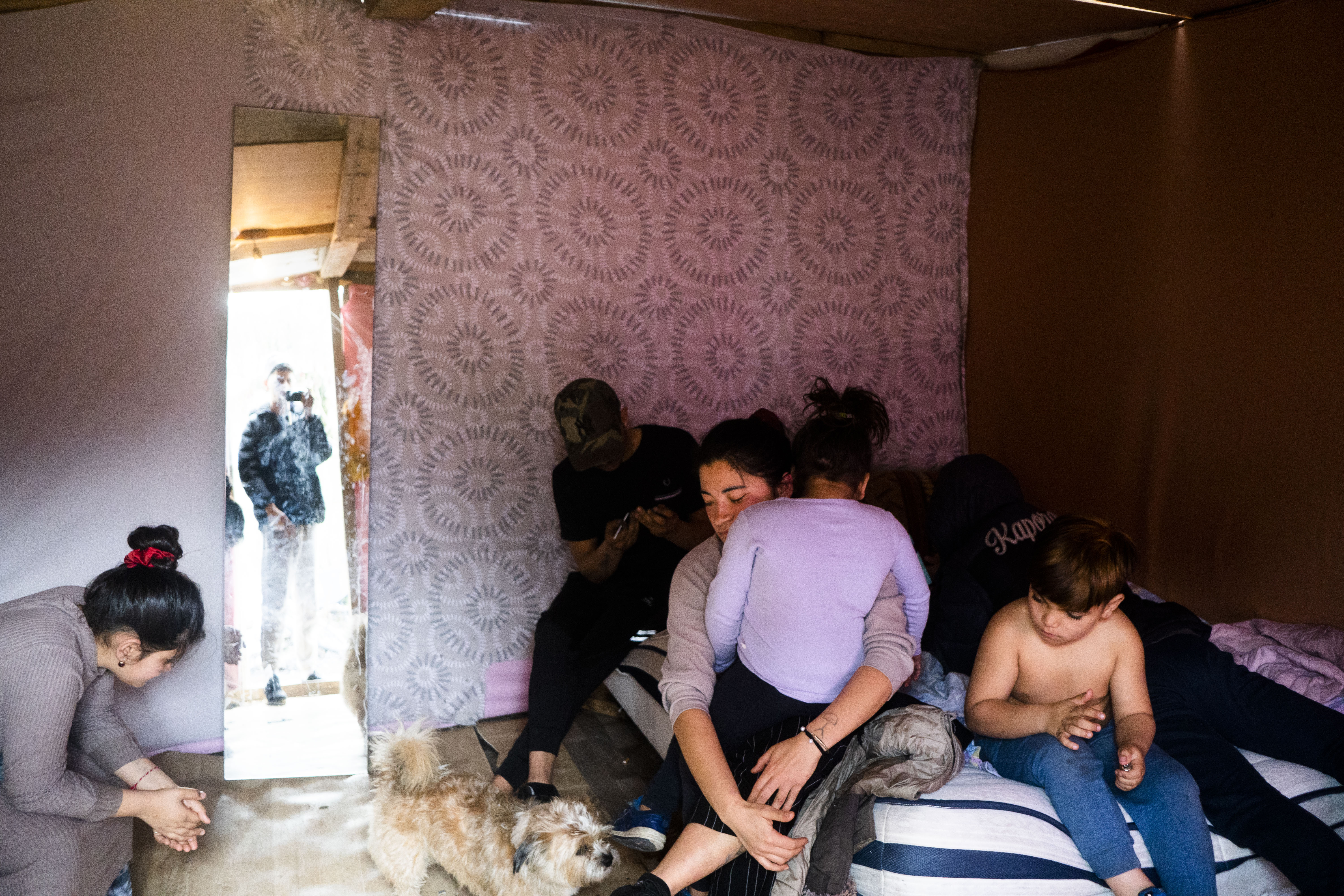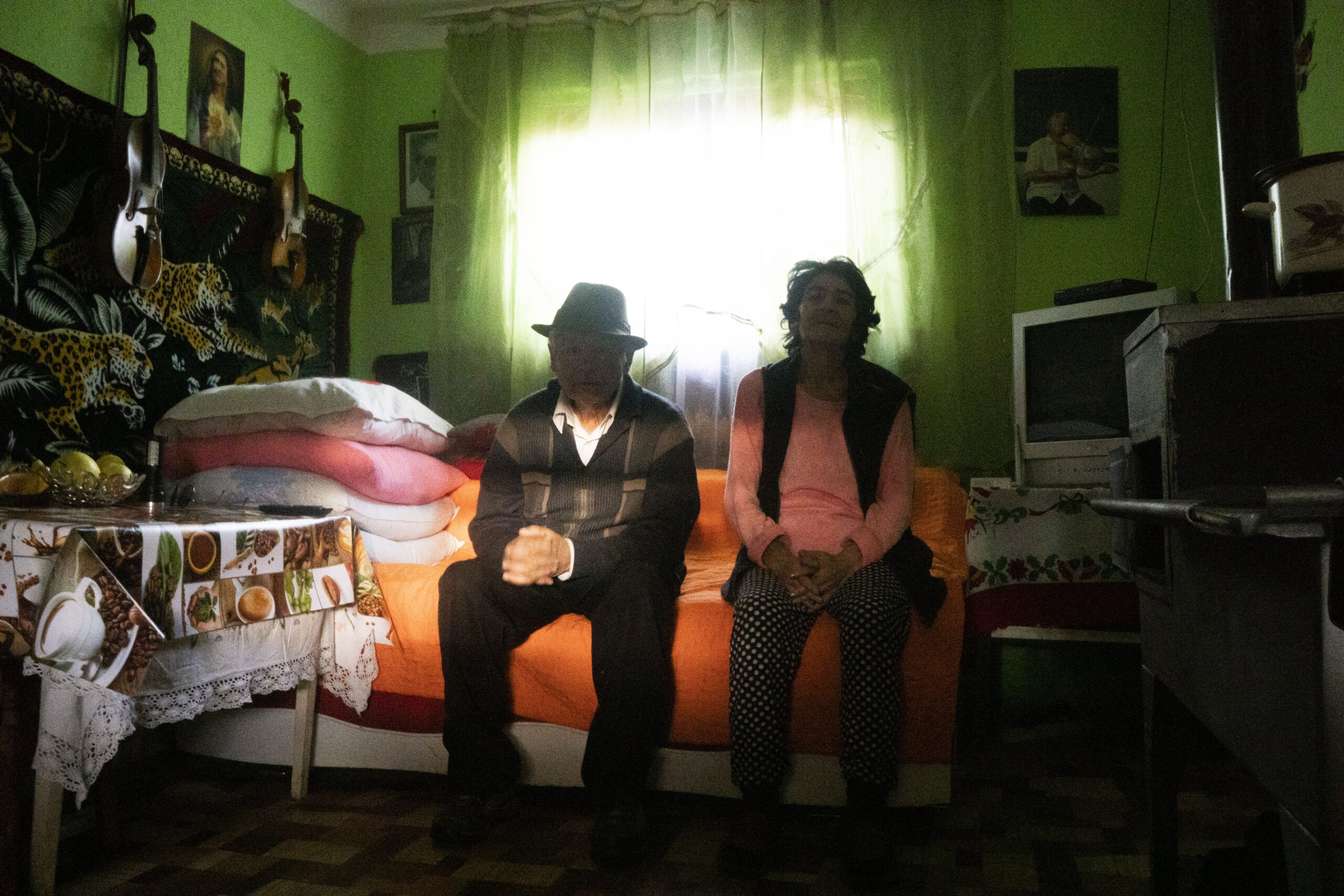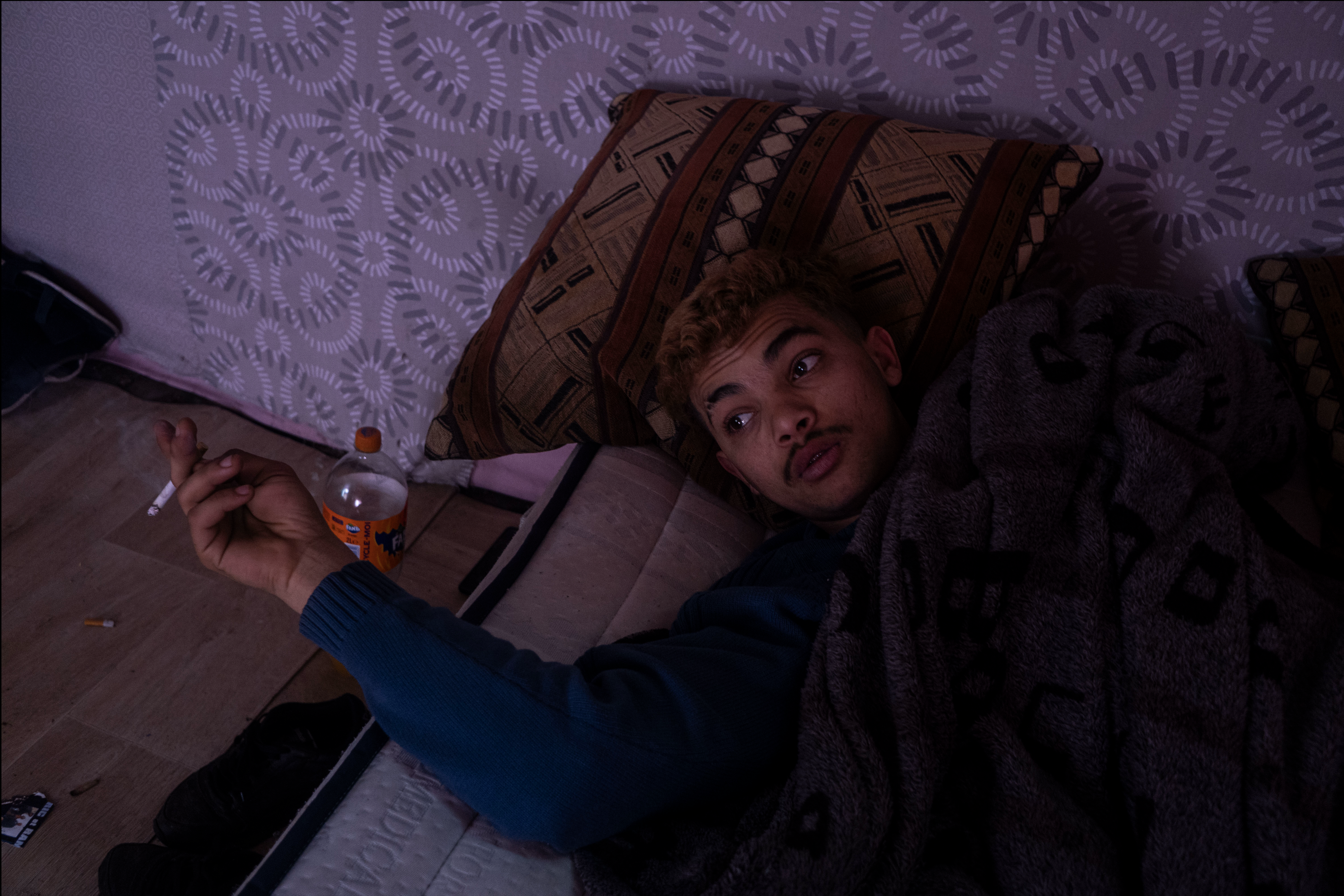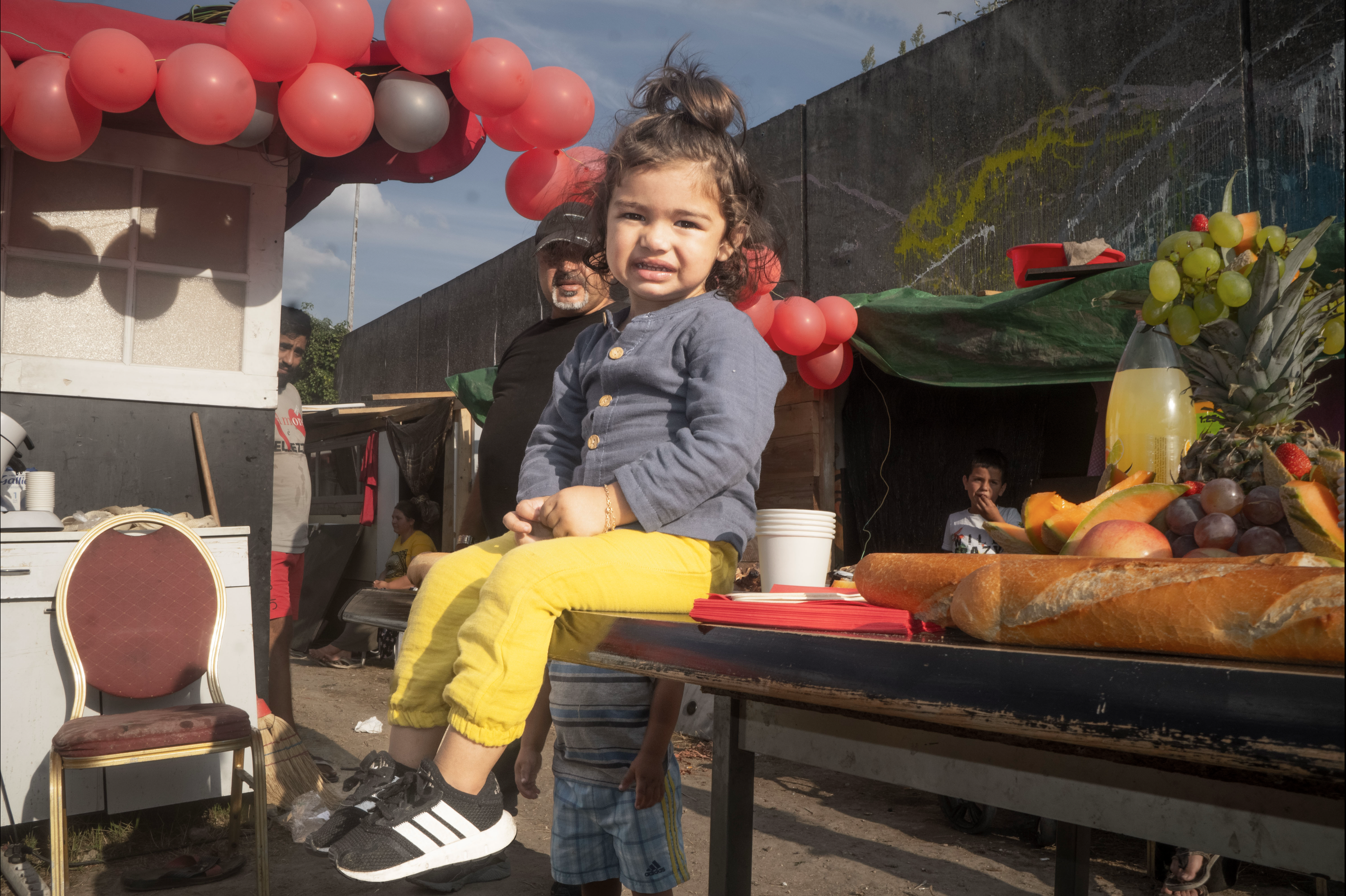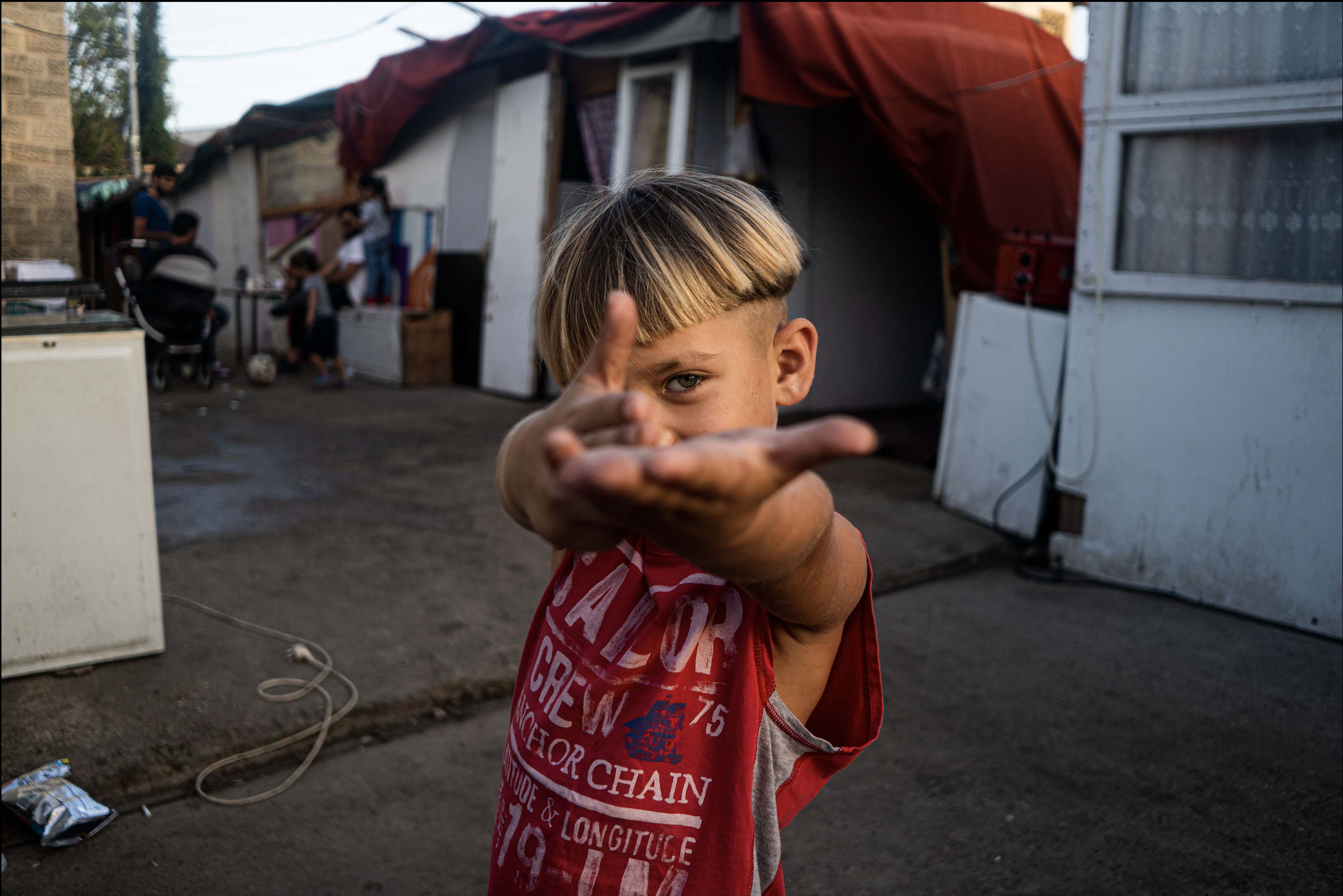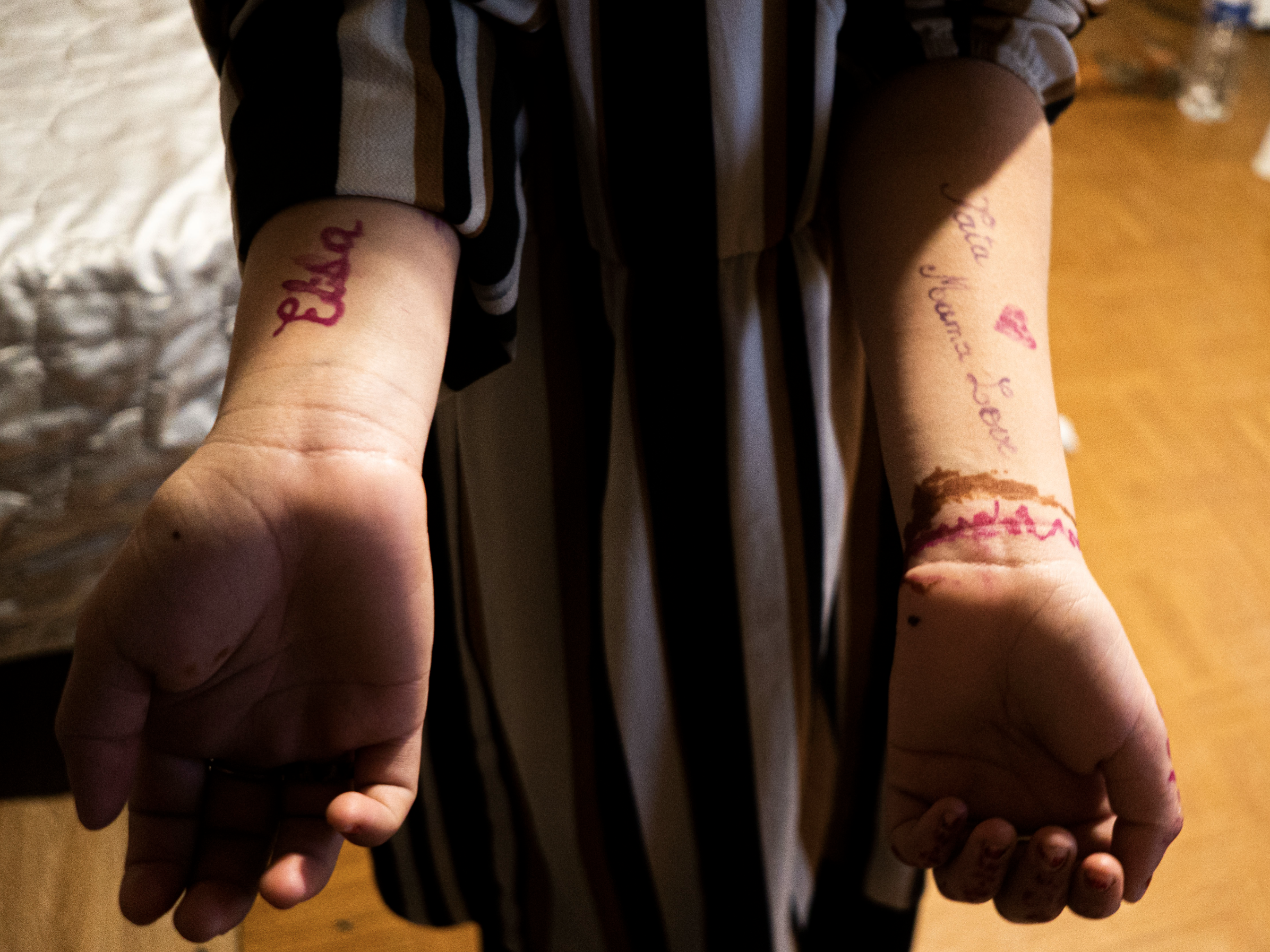
I met the young members of the family from Tandarei in Paris in 2019, juvenile bandits, afraid of nothing, kings of the street. We kept running into each other, and little by little, through accumulated coincidences, we built a relationship. I was invited into their home and became involved in their lives. The children didn’t go to school; I would take them out of the camps to see performances, or to parks with dogs. Their homes were temporary, often squatted, and I slept there with them until the police came to evict families with newborn babies. They live on the dark side of society, the side we hide and prefer to ignore.
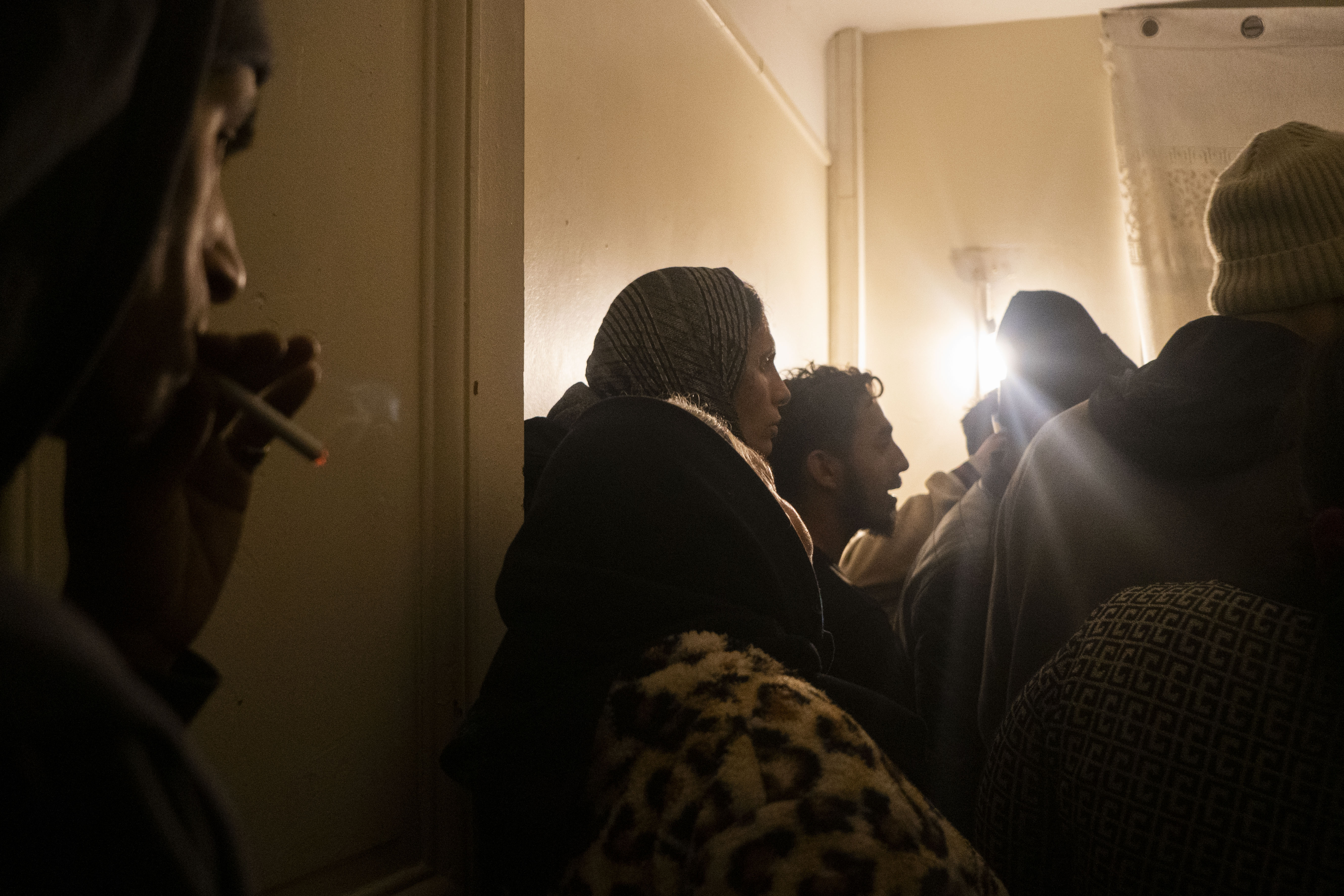
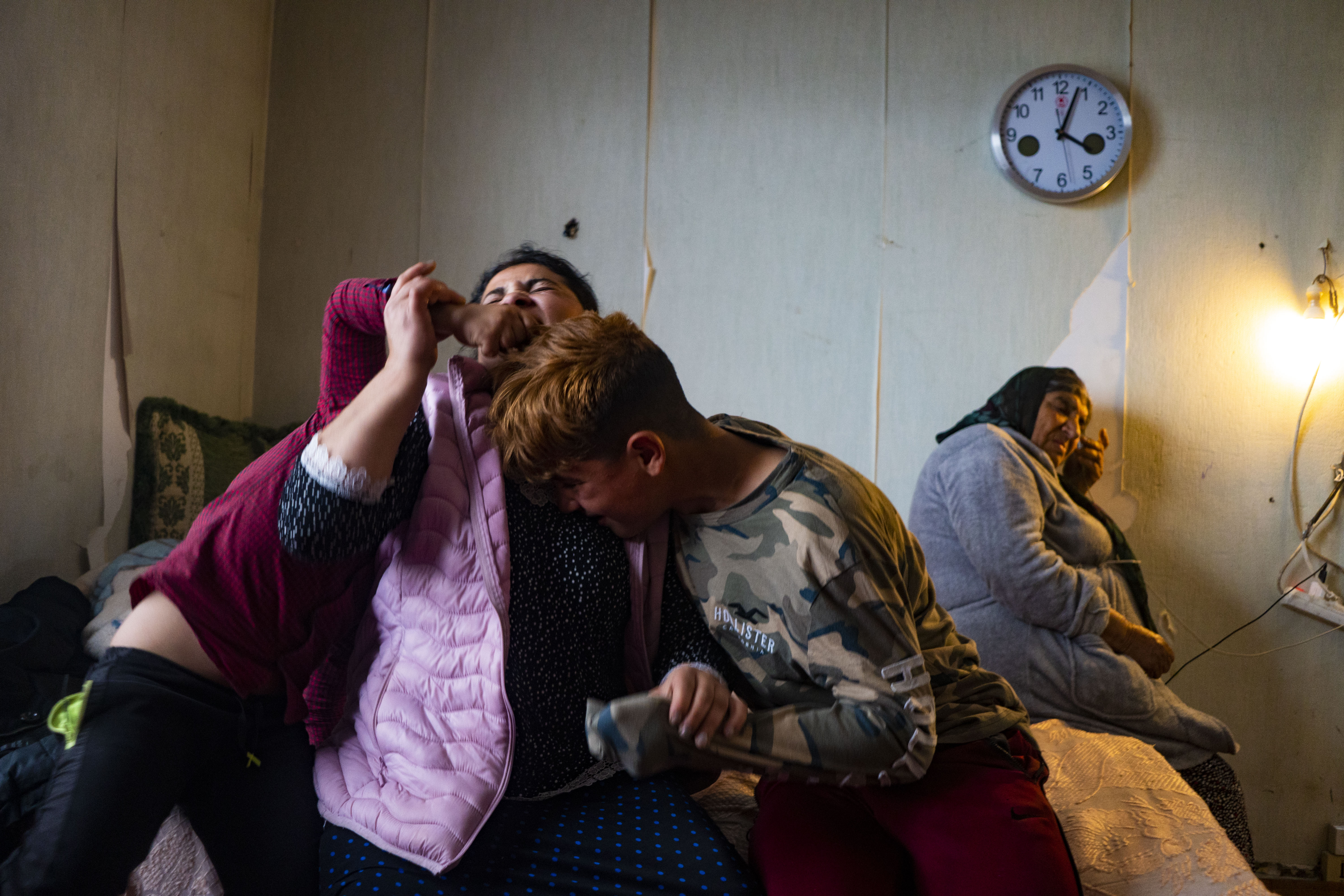
Back home, I kept remembering the grandmother’s prayers. She shouted them, so her voice would rise above the children’s phones. Those who heard her would cry behind the door, a forgotten cigarette burning down in their hand.
I stayed with them, searching for why I felt so drawn to this family. Their faces wouldn’t leave my mind.
This wasn’t my first time living alongside Romani families. Since 2015, after arriving in Paris from Tokyo I spent two years living with a Roma family in the suburb of Paris. I even learned the Romani language.
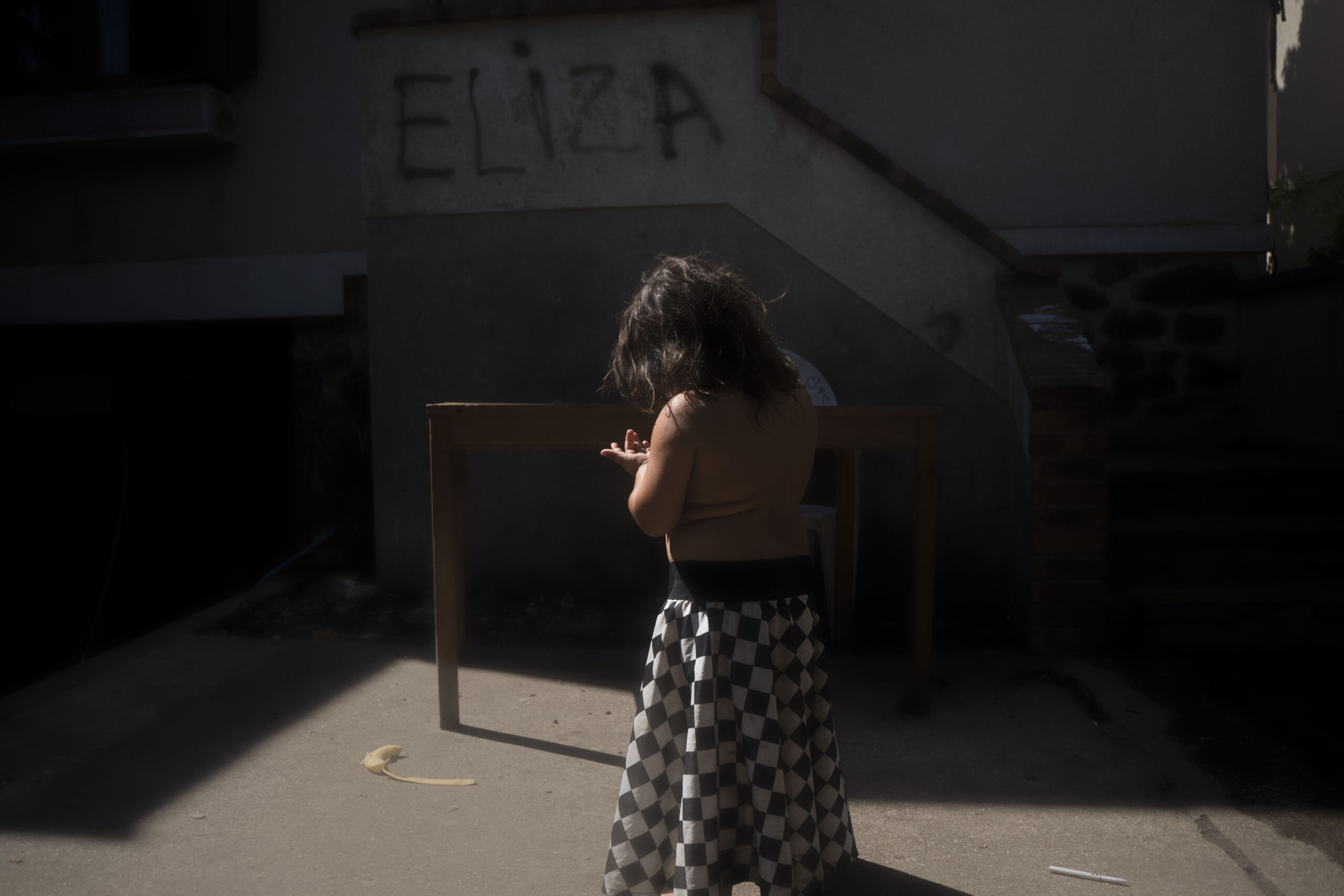
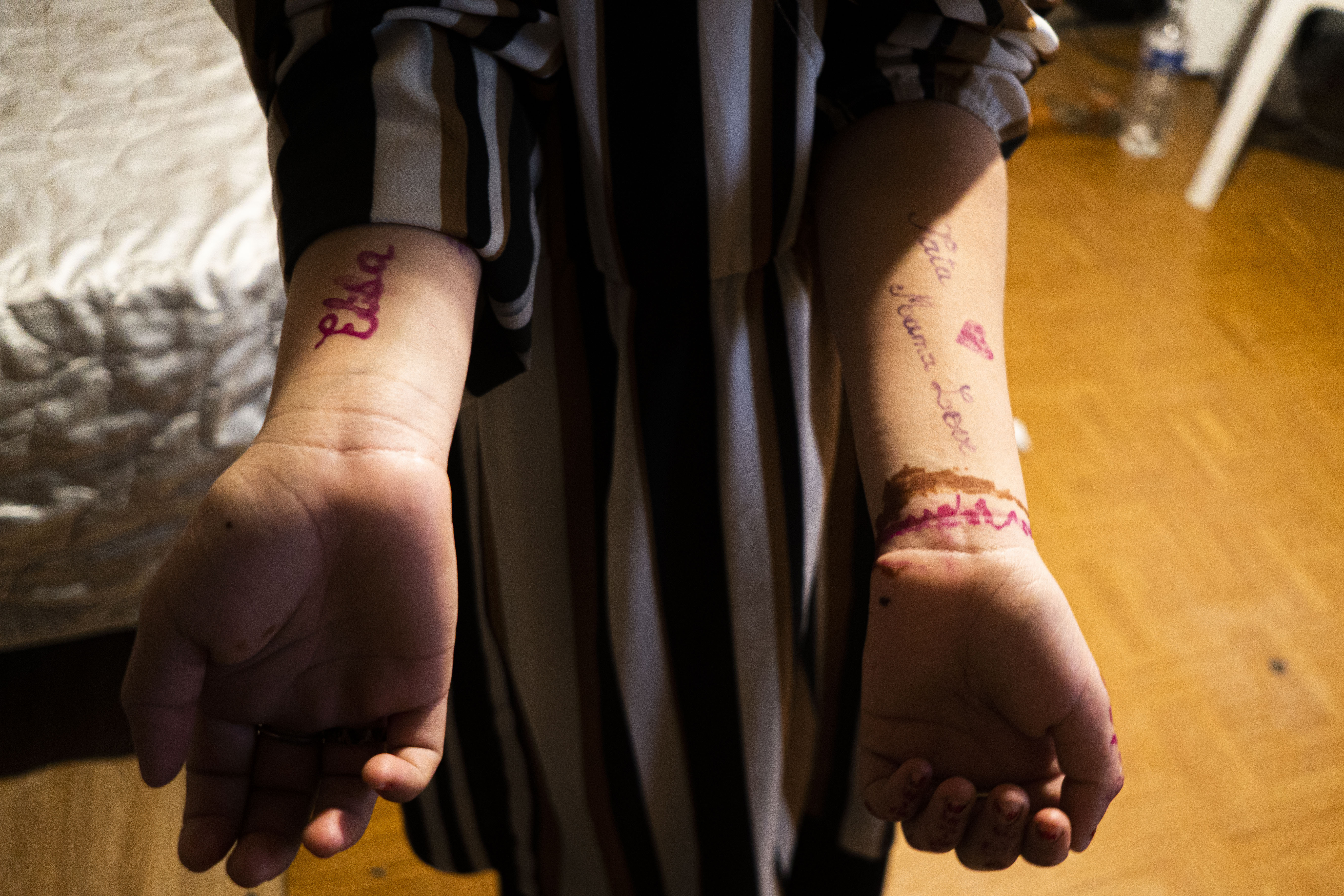
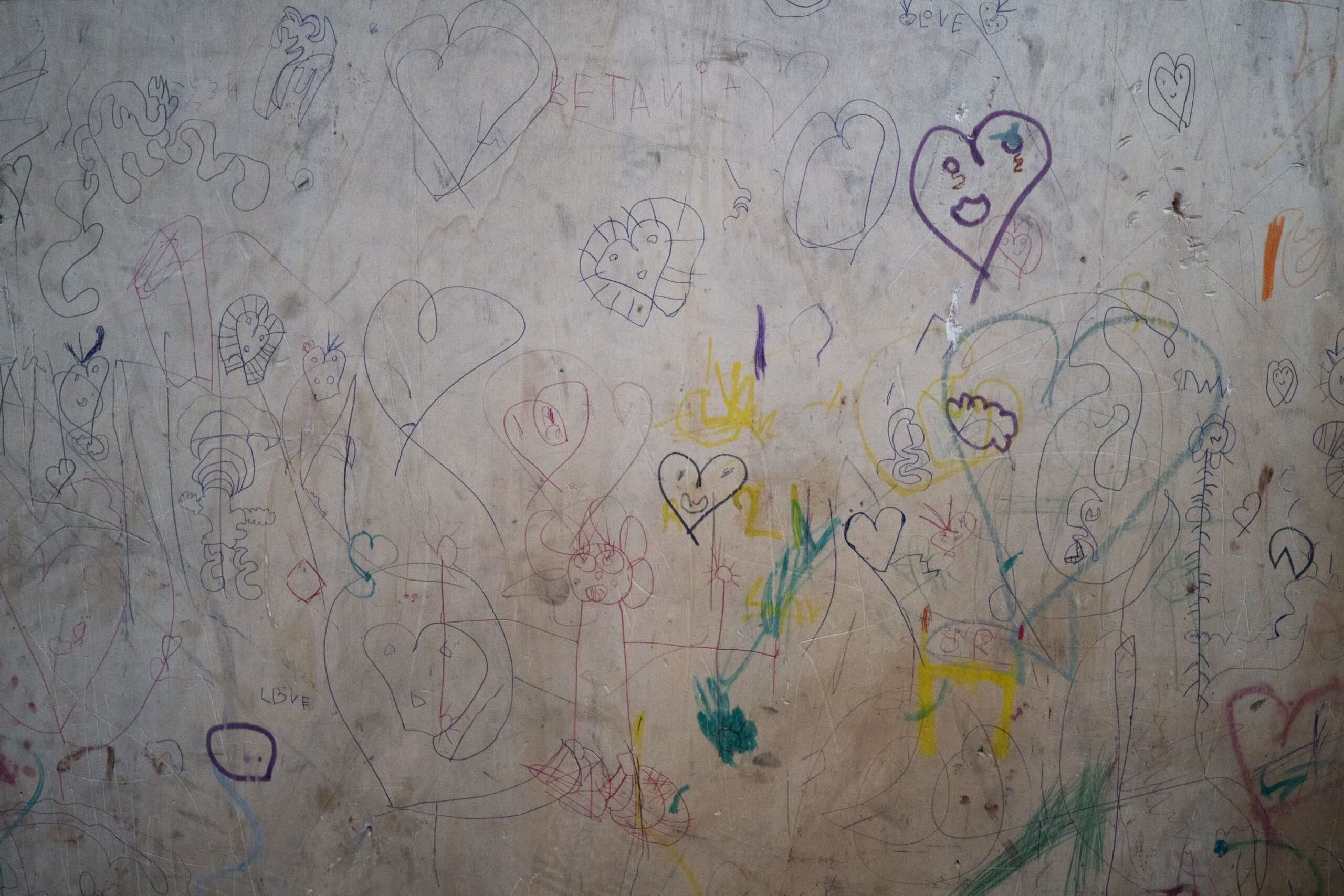
The Tandarei family is one of the most complex I’ve encountered, each story steeped in sadness. Eliza, a little girl, was taken to Spain by her parents the day she was born, while her sister stayed behind with their grandparents, as happens to many children in the camp. Her name is written on the girls’ arms, and on the wall of the house.
In their situation, I see something of my own, always searching for an adoptive family, even though I already have a loving one. Perhaps, among them, I wasn’t looking for another family, but for a way to repair something in myself.